
India’s civic space is rated as ‘repressed’ by the CIVICUS Monitor. In recent years, the government has misused the draconian anti-terror Unlawful Activities (Prevention) Act (UAPA) and other laws to keep activists behind bars and fabricate cases against activists and journalists for undertaking their work. The authorities have blocked access to foreign funding for NGOs and human rights defenders, using the restrictive Foreign Contribution (Regulation) Act (FCRA). Travel restrictions have been imposed on academics, journalists and human rights defenders by suspending their work visas, denying them entry to the country and cancelling their Overseas Citizen of India status.
The Geneva-based United Nations-linked Global Alliance of National Human Rights Institutions’ (GANHRI) sub-committee on accreditation report (SCA) in March 2025 recommended downgrading India’s National Human Rights Commission (NHRC) from category ‘A’ to category ‘B’. Among the concerns was the failure to address “shrinking civic space and increased instances of targeting human rights defenders, journalists and perceived critics.”
On 22nd April 2025, a group of militants opened fire on a gathering of 40 tourists in Pahalgam in South Kashmir, leaving at least 26 people, including two foreign tourists, dead – making it the first major terror attack on civilians in Kashmir since the government ended Jammu & Kashmir’s special status by abolishing Article 370 in 2019. In the hours following the attack, the Resistant Front, an offshoot of the Lashkar-e-Taiba – a Pakistan-based Islamist and militant organisation – claimed responsibility for the attack.
In the aftermath of the attack, India launched Operation Sindoor – a name inspired by the red vermillion worn by married women – in reference to those women who were widowed in the attack. In the week that followed, India targeted and destroyed terror camps and military bases in Pakistan and Pakistan-administered Kashmir. Pakistan has continued to deny any involvement in the attack and has described the strikes as ‘unprovoked’. UN Secretary-General António Guterres quickly called for “maximum restraint” – a sentiment echoed by the European Union and numerous countries.
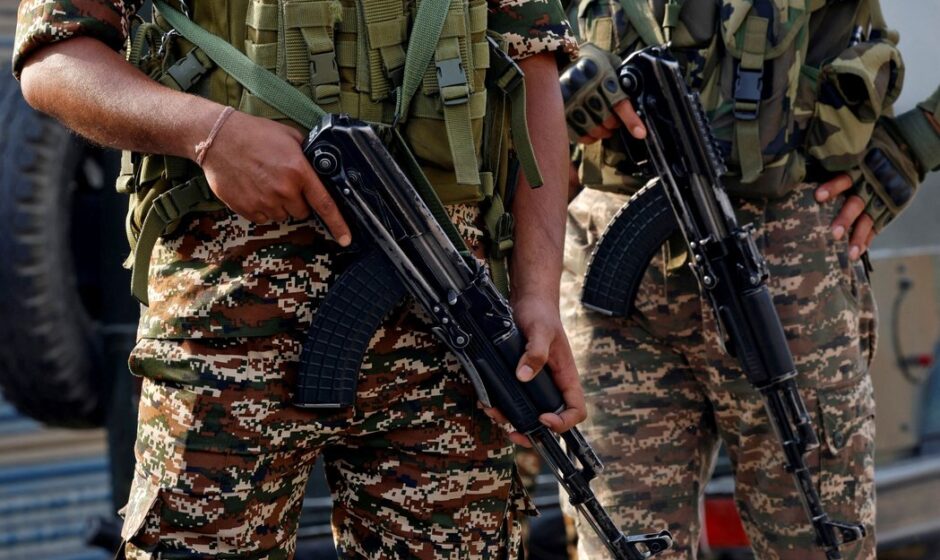
In recent months, the government has blocked social media accounts, a news site and targeted critics, including journalists, around the attacks in Kashmir and conflict with Pakistan. There has been ongoing targeting of journalists while students have been detained for protests. Security and attacks have been ramped up in tribal-majority districts in Chhattisgarh and there has been militarisation of Adivasi land in Bastar, while the crackdown on dissent in Assam deepens. There have also been further controls of civil society under the draconian FCRA law while violations in Indian-administered Kashmir continue to be documented.